MGA Staff Q&A: Dr. Mary Roberts On Gen Z And The Changing Workplace
Author: Sheron Smith
Posted: Thursday, October 22, 2026 12:00 AM
Categories:
School of Education and Behavioral Sciences | School of Arts and Letters | School of Health and Natural Sciences | School of Aviation | School of Business | Students | School of Computing | Pressroom
Macon, GA
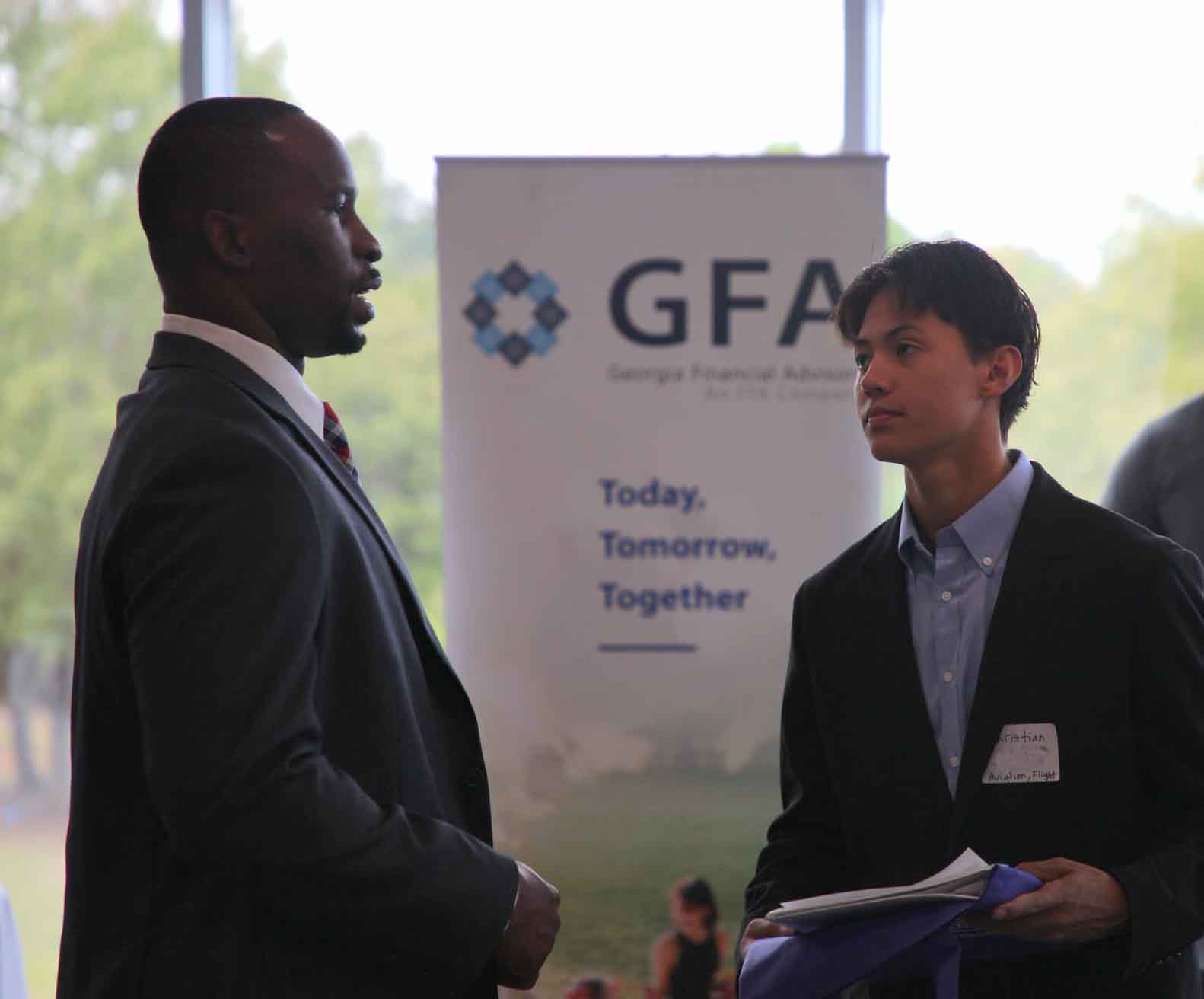
Are younger workers lazy, or do they simply have different expectations of the workplace? Dr. Mary Roberts, executive director of MGA’s Center for Career & Leadership Development, explores how social media, the pandemic, and changing attitudes toward work have shaped Generation Z’s approach to their careers. She also shares advice for employers navigating generational differences and for young professionals looking to stand out in a competitive job market.
How different are Gen Z's workplace expectations from previous generations?
The context in which we grow up influences a generation’s view of work. Social media has had an enormous impact on the current generation’s expectations of the workplace. Generation Z represents individuals between ages 29 – 14, and their lives have been shaped by the advent of social media and smart phones. Even though most people have returned to the office post-Covid, this generation has taken online classes and admired influencers who make their living through their social media platforms. If someone in the current generation has continued to engage in a mostly online environment post-Covid, they may be more inclined to think work will be that way, too. The employers that we talk to through our work in the CCLD need people who can communicate and think critically, skills that are developed when we have face-to-face experiences.
Is the younger generation really “lazy,” or do they have different ideas about work?
Every generation has had labels from the older generations regarding their attitude toward work. I think they do have different ideas about work and are not prepared for entering an environment that relies so much on face-to-face communication. For instance, if someone is not experienced with interacting with others, their anxiety and lack of confidence could come across as laziness.
Why are purpose and flexibility so important to younger workers?
Both are important for all workers but may be even more important for today’s generation. If someone knows the purpose of their work and believes in it, then they are going to be more interested in learning and growing in that role. When you are training and developing today’s generation, don’t assume they know the “why” behind the work. We know the world is changing fast and those who can adapt and thrive even in uncertainty are going to be the most successful. However, they need experience to be able to do this effectively. Family, faculty, advisors, and other support systems need to push this generation to go outside their comfort zone and engage outside of their online networks.
What workplace habits from older generations are likely to disappear?
I’ve noticed a decrease in the newer generation writing information down when they are in meetings. They often don’t have a pen or paper, or even an iPAD ready to record new information learned at work. Many are relying on memory, but then the next day, they need supervisors to repeat information.
Technology has expanded how we can record and learn information. The new generation have technical savvy when it comes to apps, but they may not be as familiar with desktop applications and best practices for organizing themselves to access those on a daily basis. Talk to new hires about how they organize themselves and make sure they have a plan recording information learned, bookmarking company platforms and resources, and staying on top of their meeting and deadline schedules.
What do employers misunderstand about younger employees?
Covid disrupted work for many of us, so we’re in a place where employers can’t assume that any generation understands what they may consider basic workplace expectations. Be clear with your expectations during the interview process and onboarding but also make sure the older generation is modeling what you expect as well. Expectations surrounding work schedules, work from home policies, deadlines, team communication, and workplace attire are just a few topics to emphasize across generations at work.
In today's job market, are Gen Z workers overestimating their bargaining power with potential employers? If so, in what ways?
The more effort you put into developing yourself as you prepare for your career, the more you can leverage with a potential employer. It’s competitive for everyone right now, but all job seekers must be able to tell an employer how their skills and experiences match the job the employer is trying to fill. Internships can help a candidate stand out among other candidates, but even getting an internship is competitive because most people want a paid one. If you are applying for an internship and competing with twenty other students who have a similar degree and a good GPA, what makes them more likely to select you? Put yourself in the employer’s shoes. You would want to hire someone who can explain how the skills and knowledge from their courses have prepared them for the internship. Applicants who can talk specifically about experiences from class projects, volunteering, student leadership programs, and student and community organizations will show the employer that they have the transferable skills to do the job. You want to leverage those things in your resume and your interview in a way that matches the position you want. If you put the effort into developing yourself and putting that information into each application based on what the employer wants, your bargaining power increases.